UK home moisture help
Damp and condensation checklist
Work through common signs and causes before choosing products for damp, mould or excess humidity.
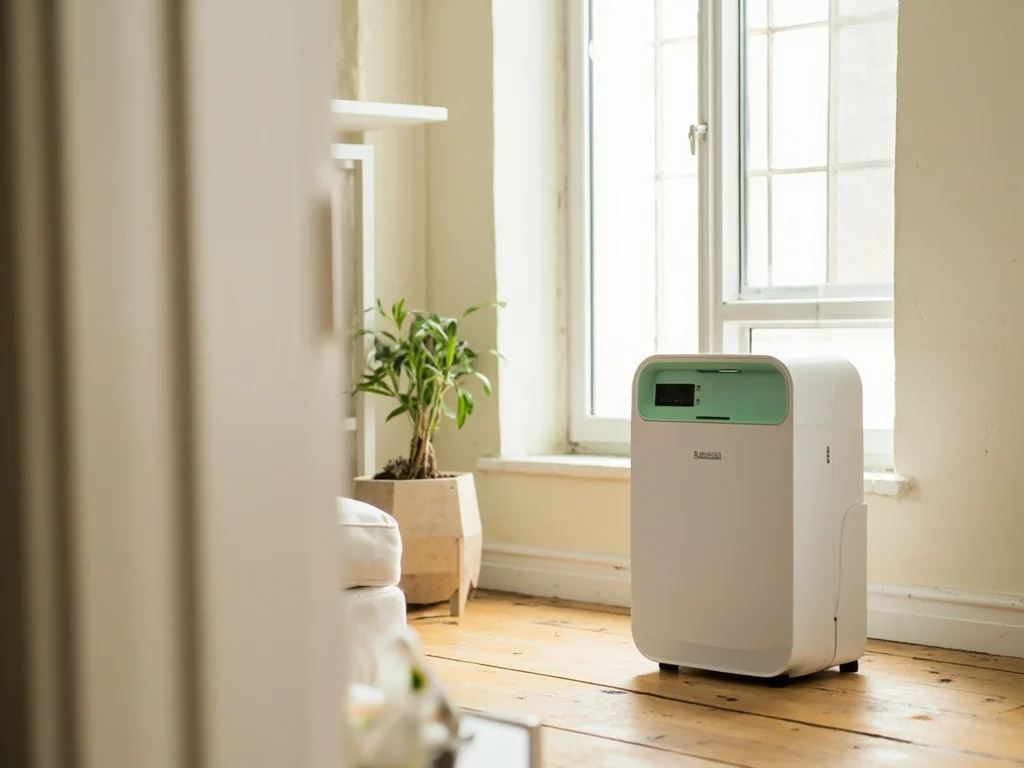
Checklist visual
Spot warning signs early
Use the checklist first so you can separate condensation patterns from leak or structural damp symptoms.
Damp and condensation checklist
Damp and Mould Treatment Checklist
If you have discovered damp or mould in your home, work through these steps in order. Do not simply paint over mould the moisture source must be addressed or it will return.
1. Identify and stop the moisture source
Before buying any treatment product, find out where the moisture is coming from. Common causes in UK homes are:
- Condensation from daily activities (cooking, showering, drying clothes indoors)
- Penetrating damp from damaged render, missing sealant or failed flashing
- Rising damp from a failed or missing damp-proof course
- Leak from plumbing above or adjacent to the affected wall
If the issue looks like penetrating damp, rising damp or a leak, get professional advice before treating. A dehumidifier helps with condensation but cannot fix water entering through walls or floors.
2. Clean up existing mould
For surface mould on walls, ceilings or window frames:
- Use a dedicated mould remover product or a bleach-based cleaner on non-porous surfaces
- For porous surfaces (plaster, wood, wallpaper), a specialist fungicidal paint or treatment may be needed
- Always ventilate the room well during cleaning and allow surfaces to dry fully
- Wear a mask and gloves mould spores can irritate lungs and skin
3. Dry the affected area
After cleaning, keep the room ventilated or run a dehumidifier to ensure moisture levels are normal before decorating. Moisture trapped behind new paint or wallpaper is what causes mould to return quickly.
4. Decorate with anti-mould products
Once the wall is fully dry, use a mould-resistant primer and paint. Standard emulsions on damp or previously mouldy walls tend to peel and provide a surface for new growth.
5. Monitor and prevent
After treatment, prevent recurrence with:
- A hygrometer to keep indoor humidity below 60%
- Extractor fans in kitchen and bathroom, used every time
- Ventilation on cold external walls avoid pushing furniture flush against them
- A dehumidifier if the property is a flat, terrace or mid-floor home with limited air flow
When to call a professional
If mould returns quickly after treatment, if walls stay damp even with ventilation, or if you see tide marks, crumbling plaster or a musty smell in rooms you cannot access (behind furniture, inside cupboards), get a building surveyor or damp specialist to inspect. Persistent damp can affect structural timber and cause long-term damage to the property.
Why checklist first?
Many damp problems are caused by everyday moisture meeting cold surfaces. A dehumidifier can help, but ventilation, heating patterns, leaks and furniture placement also matter. If you suspect penetrating damp, rising damp or plumbing leaks, investigate those causes directly.
What to do after the checklist
If most signs point to condensation, start by measuring humidity, improving ventilation during cooking and bathing, and reducing indoor drying where possible. If signs point to leaks or penetrating damp, look outside and around plumbing before buying more equipment.
A dehumidifier is most useful when the issue is excess moisture in the air. It is less useful when water is entering from a defect that needs repair.