Compare options
A dehumidifier helps room moisture; a dryer focuses on the clothes.
UK damp and humidity guide
Drying clothes indoors is one of the biggest hidden causes of damp, condensation and mould in UK homes. A full load of wet washing releases moisture into the air, and that moisture has to go somewhere.
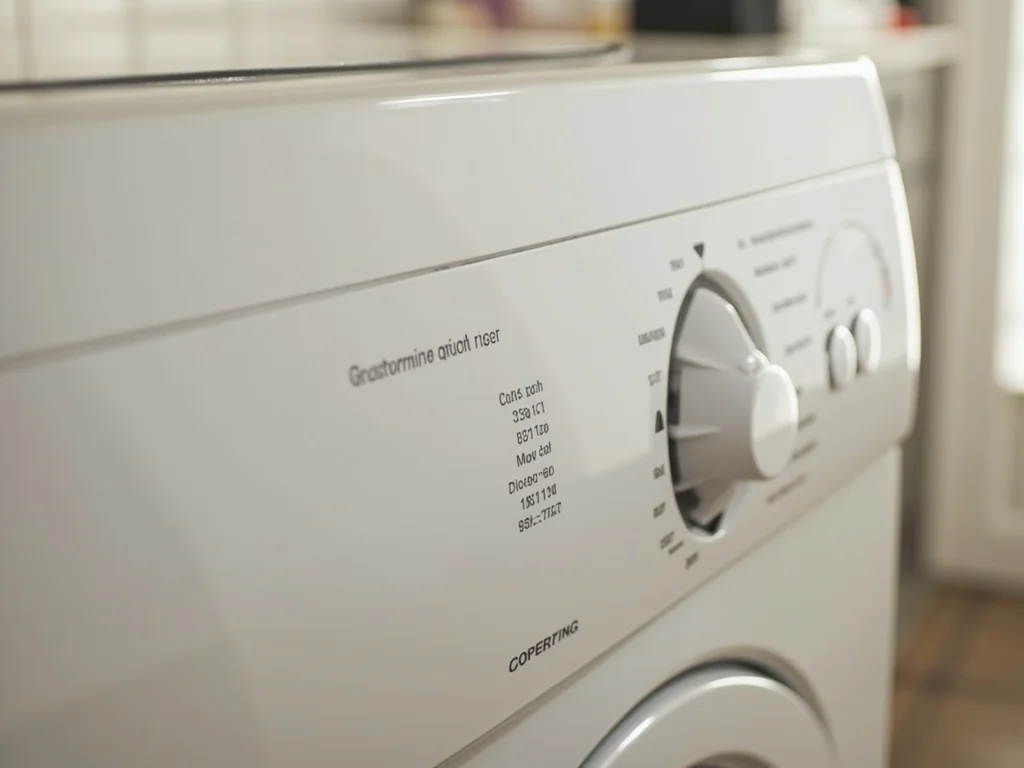
Dehumidifier Drying Clothes
A tumble dryer may be faster, but a dehumidifier can remove moisture from the room as clothes dry.
A dehumidifier helps room moisture; a dryer focuses on the clothes.
If readings stay high after laundry, ventilation or extraction needs improving.
Crowded clothes dry slowly and keep the room humid for longer.
A tumble dryer usually dries clothes faster, but uses a higher power draw while running. A dehumidifier normally uses less power at any one time, but may need to run for several hours.
A heated airer can speed up drying, but it still releases moisture into the room unless paired with ventilation or a dehumidifier.
A dehumidifier is worth considering if you dry clothes indoors and notice condensation, musty smells, damp corners or mould around windows and walls.
It is especially useful in flats, winter laundry rooms, spare bedrooms used for drying racks and homes without outdoor drying space.
A tumble dryer may be better if you need clothes dry quickly, have a modern heat-pump dryer, or do several loads in a row.
The key is to compare a full cycle cost against the hours a dehumidifier would realistically run.
If indoor drying is causing condensation, use clothes on a rack with space between items, gentle airflow, and a correctly sized dehumidifier nearby. Track humidity so you know whether the setup is working.
Compare current products, reviews and availability. We do not display live prices because those change frequently.
Use the size calculator, running cost calculator and damp checklist to compare the problem before spending money.
Type to search all DampHomeFix guides, tools and buying pages.