Ventilation
Opening windows daily, using extractor fans and improving airflow are the fastest way to reduce humidity from daily activities. Even in winter, a 10-minute window open in each room reduces humidity significantly.
UK condensation and damp guide
Condensation on walls is the most common damp problem in UK homes. Here is why it happens and how to fix it from quick habits to longer-term solutions.
UK guide
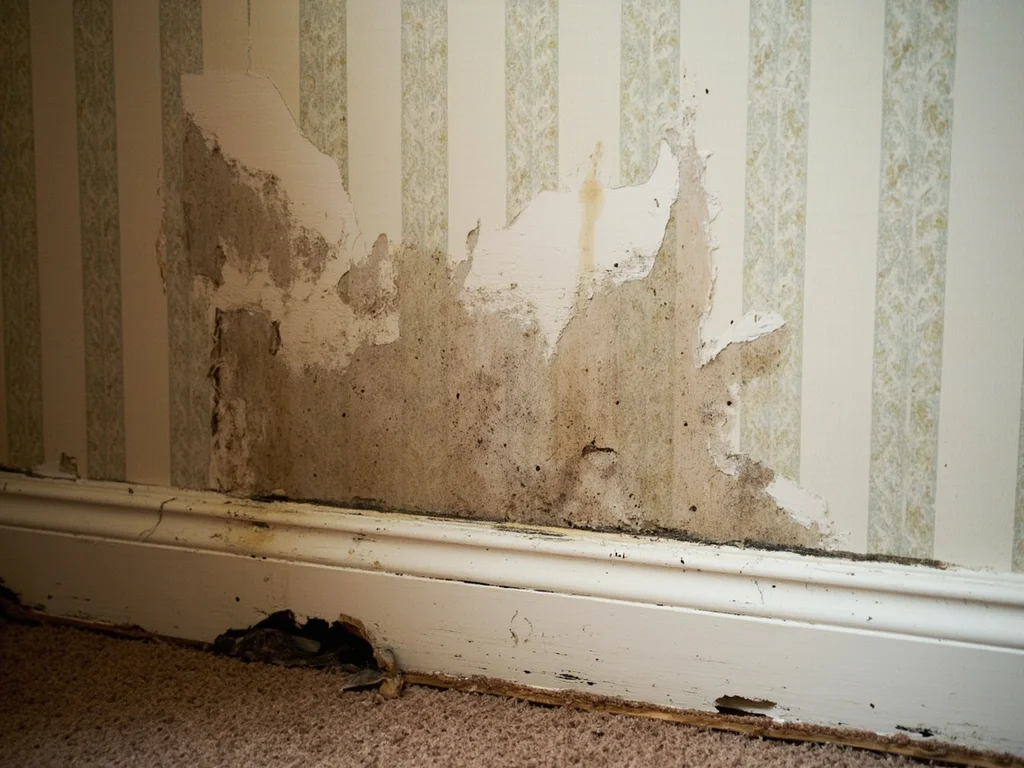
Condensation on walls is a warning sign. It means moisture levels are high enough to affect surfaces beyond just windows.
Condensation on walls happens when warm, moisture-laden air meets a cold surface and the moisture in the air condenses back into water droplets. In UK homes this is common on external walls especially solid brick walls with no cavity because they stay cold even when the room is heated.
The moisture comes from daily activities: showering, cooking, drying clothes indoors and even breathing. A four-person household can add several litres of moisture to the air every day. When there is insufficient ventilation, the humidity builds up and condenses wherever surfaces are coldest typically on walls facing outside.
Cold surfaces in UK homes are most often external walls, single-glazed windows, and corners where furniture sits against a cold wall. These are the places where condensation appears first.
Before treating the problem, confirm it is condensation rather than water entering the building structure. The key differences:
If you are not sure which type you have, a damp surveyor can identify it and recommend the right treatment. Treating condensation as rising damp or vice versa wastes money and does not solve the problem.
These steps make a difference within days, no major expense required:
Opening windows daily, using extractor fans and improving airflow are the fastest way to reduce humidity from daily activities. Even in winter, a 10-minute window open in each room reduces humidity significantly.
Raising wall surface temperature stops condensation forming on the wall itself. Cavity wall insulation, internal wall boards or external wall insulation all raise surface temperatures above the dew point.
A dehumidifier extracts moisture from the air continuously. In a persistently condensation-prone room bathroom, north-facing bedroom, solid-wall living room a dehumidifier with a hygrostat is the most reliable practical solution.
Keeping rooms at a consistent background temperature reduces the temperature difference between the wall surface and the air. Cold walls are the problem; gentle consistent heat is better than short bursts of high heat.
Yes, in most cases. When humidity is controlled to below 60%, the air can hold less moisture, so even cold wall surfaces are less likely to reach the dew point where condensation forms. The more moisture your daily activities add to the air, the more difference a dehumidifier makes.
For a bathroom used multiple times a day, a dehumidifier running continuously for that room and adjacent spaces is more effective than relying on windows alone. Set the hygrostat to 5055% for active condensation prevention.
If condensation is a persistent problem year after year despite good ventilation habits, consider these longer-term approaches:
Different wall constructions in UK homes have different condensation risks based on their thermal properties.
| Wall Type | Typical era | Condensation risk | Best solutions |
|---|---|---|---|
| Solid brick | Pre-1930 | High no cavity, cold surface | Internal insulation, dehumidifier, ventilation |
| Cavity wall (uninsulated) | 1930s1990 | Moderate | Cavity insulation, dehumidifier |
| Cavity wall (filled) | 1980s onwards | Lower | Ventilation, dehumidifier if needed |
| Timber frame | Modern | Low if built correctly | Ventilation, monitor humidity |
| Modern brick-and-block | 1990s onwards | Low to moderate | Extractor fans, dehumidifier if needed |
Treat the moisture and protect the surface.
Remove airborne moisture
Compare on AmazonMeasure the problem before you treat
Compare on AmazonProtect walls after drying
Compare on AmazonType to search all DampHomeFix guides, tools and buying pages.